 |
新闻 | 视频 | 博客 | 论坛 | 分类广告 | 购物 | 简体/繁体 | 广告服务 | 联系我们 | 关于万维 | 登录/注册 |
 |
|
Dental Health Trends Are Moving Toward Preventative and Restorative Care
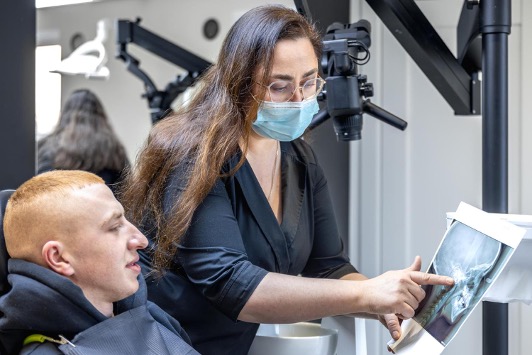
Image by pvproductions on Magnific
Modern dentistry has changed significantly over the past several decades as both patients and healthcare providers place greater emphasis on long-term oral health rather than treating problems only after they become severe. While emergency dental treatment and cosmetic procedures still remain important parts of oral healthcare, preventative and restorative care are increasingly shaping how modern dental practices approach patient treatment.
This shift reflects broader healthcare trends focused on early intervention, long-term wellness, and improving overall quality of life. Patients today are becoming more informed about how oral health connects to nutrition, confidence, speech, comfort, and even broader systemic health conditions.
As a result, many people are paying closer attention to routine dental care, gum health, restorative procedures, and preventative treatment strategies designed to reduce future complications.
Preventative Care Has Become a Larger Priority
One of the clearest trends in modern dentistry involves the growing focus on prevention. Dental professionals increasingly encourage patients to address oral health concerns early before they progress into more complex or expensive conditions.
Routine cleanings, periodontal evaluations, diagnostic imaging, and regular examinations help identify issues such as cavities, gum disease, enamel erosion, bite problems, and bone loss before they become significantly more difficult to treat.
Patients are also becoming more aware that oral hygiene habits influence more than appearance alone. Poor oral health may contribute to discomfort, infections, tooth loss, and broader health concerns connected to inflammation and bacterial buildup.
Organizations including the National Institute of Dental and Craniofacial Research (NIDCR) continue emphasizing the importance of preventative oral healthcare and early treatment in maintaining long-term dental health outcomes.
This growing awareness has encouraged many individuals to view dental care as an ongoing part of overall wellness rather than an occasional response to pain or visible problems.
Restorative Dentistry Continues Advancing
At the same time, restorative dentistry has become increasingly sophisticated due to advances in dental materials, imaging technology, implant systems, and treatment planning methods.
Modern restorative procedures often focus not only on aesthetics, but also on preserving oral function, jaw stability, gum health, and long-term structural integrity.
Tooth loss, gum disease, bone deterioration, and damaged teeth can affect speech, chewing ability, facial structure, and overall comfort in ways that extend far beyond cosmetic appearance alone.
Because of this, many patients increasingly seek long-term restorative solutions designed to support both oral health and functionality over time.
Modern restorative dentistry increasingly emphasizes comprehensive treatment planning for patients experiencing tooth loss, gum deterioration, or jawbone changes. This has contributed to growing interest in working with an experienced dental implant specialist capable of evaluating implant placement, periodontal health, bone support, and long-term restorative outcomes as part of a broader oral health strategy. Practices such as Implant & Perio Specialists provide dental implant procedures, periodontal treatment, bone grafting, gum care, and implant-supported restorations designed to improve both functionality and long-term oral stability.
This reflects a wider shift toward more specialized and individualized restorative treatment within modern dentistry.
Gum Health Is Receiving More Attention
Periodontal care has also become a much larger focus within preventative dentistry. Gum disease remains one of the most common oral health conditions affecting adults, yet many patients historically underestimated its long-term effects.
Untreated periodontal disease may contribute to gum recession, bone loss, tooth instability, and eventual tooth loss if not addressed properly.
Today, dentists increasingly monitor gum health alongside tooth health during routine examinations while encouraging earlier intervention when signs of inflammation or tissue damage appear.
Patients are also becoming more aware that maintaining healthy gums plays an important role in supporting successful restorative procedures such as implants and other long-term dental treatments.
Technology Is Changing Patient Expectations
Advances in dental technology have also reshaped patient expectations regarding comfort, treatment planning, and long-term outcomes.
Digital imaging, 3D scanning, guided implant placement, improved anesthesia techniques, and modern restorative materials have helped make many procedures more precise and predictable than in previous decades.
Patients increasingly expect treatment plans that combine aesthetics, functionality, and durability while minimizing recovery time and long-term complications.
This has encouraged dental practices to adopt more comprehensive diagnostic and planning systems capable of supporting highly individualized care.
Technology also improves patient education by allowing individuals to better visualize treatment plans and understand how preventative or restorative procedures may affect long-term oral health outcomes.
Oral Health Is Closely Connected to Quality of Life
Beyond medical considerations, dental health strongly affects daily quality of life. Speech clarity, eating comfort, self-confidence, and social interaction may all be influenced by oral health conditions.
For many individuals, restorative care improves not only functionality but also emotional wellbeing and confidence in professional and personal settings.
This broader understanding has contributed to greater patient interest in maintaining long-term oral health rather than postponing treatment until discomfort becomes unavoidable.
Preventative and Restorative Care Will Likely Continue Expanding
As awareness surrounding oral health continues growing, preventative and restorative dentistry will likely remain central to modern dental care.
Patients increasingly seek solutions that support long-term stability, comfort, and functionality rather than temporary fixes alone. At the same time, technological advances and improved treatment methods continue making comprehensive dental care more effective and accessible.
This broader shift reflects a changing understanding of oral health as an important part of overall wellbeing, long-term health maintenance, and everyday quality of life.
 0
0

|
|
|
| 24小时新闻排行榜 | 更多>> |
| 1 | 北大深夜突然换帅 内幕曝光 |
| 2 | 互相出轨各玩各 蒋雯丽夫妇隐居美国活成这 |
| 3 | 西北边陲再造深圳!中国大手笔终结海权时代 |
| 4 | 别再低估习近平:他不是装傻上位的人 |
| 5 | 惊人内幕:习点名骂两人 遭川普当场回击 |
| 48小时新闻排行榜 | 更多>> |
| 1 | 习近平,亲手改写了中国的命运 |
| 2 | 伊朗最危险的时刻 可能真的来了 |
| 3 | 北大深夜突然换帅 内幕曝光 |
| 4 | 蓬佩奥罕见怒轰川普:一场灾难 |
| 5 | 一年卖100亿,中国又一巨头破产了 |
| 6 | 互相出轨各玩各 蒋雯丽夫妇隐居美国活成这 |
| 7 | 西北边陲再造深圳!中国大手笔终结海权时代 |
| 8 | 别再低估习近平:他不是装傻上位的人 |
| 9 | 惊人内幕:习点名骂两人 遭川普当场回击 |
| 10 | 打了东道主一耳光,李显龙访华霸气表态 |
| 一周博客排行 | 更多>> |
| 一周博文回复排行榜 | 更多>> |