 |
新闻 | 视频 | 博客 | 论坛 | 分类广告 | 购物 | 简体/繁体 | 广告服务 | 联系我们 | 关于万维 | 登录/注册 |
 |
|
What Many People Overlook About Long-Term Oral Health

Photo by Lesly Juarez,Unsplash
Long-term oral health is often reduced to brushing, flossing, and occasional dental visits, but the reality is far more complex. What many people overlook is that oral health is deeply connected to overall well-being, lifestyle habits, and even systemic health conditions. It is not just about maintaining a clean smile, it is about preserving function, preventing disease, and supporting quality of life over decades.
Modern research continues to show that oral health evolves throughout life and requires consistent attention at every stage. Neglecting small issues early can lead to more serious complications later, affecting not only teeth and gums but also broader health outcomes. Understanding these overlooked factors is essential for maintaining a healthy, functional, and resilient oral environment in the long term.
Oral Health Is Closely Linked to Overall Health
One of the most commonly overlooked aspects of oral health is its direct connection to the rest of the body. The mouth is not isolated, it is part of a larger system where inflammation, infection, and bacteria can influence overall health.
Studies show strong links between oral conditions such as gum disease and systemic issues like cardiovascular disease and diabetes. Poor oral health can also affect basic functions such as eating, speaking, and social interaction, impacting both physical and psychological well-being.
This connection highlights why oral care should be viewed as part of general health maintenance rather than a separate routine.
Prevention Matters More Than Treatment
Many people focus on dental care only when problems arise, but long-term oral health depends heavily on prevention. Early detection of issues such as cavities or gum disease can significantly reduce the need for complex and costly treatments later.
Preventive care includes regular check-ups, proper hygiene, and lifestyle awareness. These steps help identify problems before they become severe and allow for more conservative interventions. Over time, this approach not only protects oral health but also reduces overall healthcare costs and complications.
Consistent preventive habits create a foundation for maintaining natural teeth and avoiding more invasive procedures.
Lifestyle Habits Play a Bigger Role Than Expected
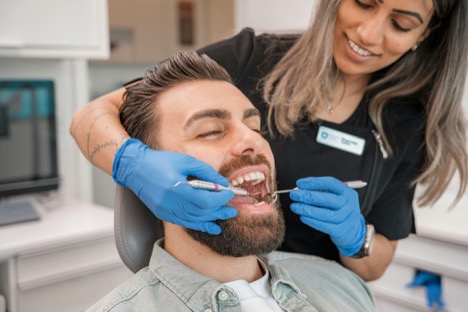
Photo by D Dental Office,Unsplash
Diet, smoking, alcohol consumption, and daily habits all have a major impact on oral health. High sugar intake, for example, contributes directly to tooth decay by fueling bacteria that produce harmful acids.
Similarly, smoking and alcohol use increase the risk of gum disease and other oral conditions. These factors are often underestimated because their effects develop gradually rather than immediately.
Long-term oral health is shaped by everyday decisions. Small habits, when repeated over time, can either protect or significantly damage the structure and function of teeth and gums.
Aging Changes Oral Health Needs
Oral health is not static, it changes with age. As people get older, they may experience reduced saliva production, gum recession, and increased difficulty maintaining oral hygiene due to physical or cognitive challenges.
These changes make older adults more vulnerable to cavities, infections, and tooth loss. At the same time, many people retain more of their natural teeth than previous generations, increasing the need for ongoing care.
Understanding how oral health evolves helps individuals adapt their routines and seek appropriate care throughout different stages of life.
The Importance of Professional Guidance
While daily care is essential, professional support plays a critical role in maintaining long-term oral health. Dentists and specialists can detect issues that are not visible or noticeable in early stages.
Working with experienced providers such as Vancouver Dental Speciality Clinic allows for more personalized care, including advanced diagnostics, preventive strategies, and treatment planning tailored to individual needs. This level of attention helps address underlying concerns before they become more serious.
Professional care also provides guidance on improving daily habits and maintaining consistency over time.
Oral Health Affects Quality of Life More Than People Realize
Beyond physical health, oral conditions can significantly impact quality of life. Pain, discomfort, and visible dental issues can affect confidence, communication, and social interactions.
Oral health also plays a role in nutrition, as dental problems can limit the ability to eat certain foods. Over time, this can influence overall health and well-being.
Maintaining strong oral health supports not only physical function but also emotional and social stability, making it a key component of long-term wellness.
Long-Term Oral Health Requires a Lifelong Approach
Perhaps the most overlooked factor is that oral health is a lifelong process. It is not something that can be addressed occasionally or corrected quickly, it requires consistent care, awareness, and adaptation over time.
Global health organizations emphasize that maintaining oral health throughout life improves overall well-being and supports long-term quality of life.
This approach includes prevention, early intervention, and ongoing maintenance, all of which contribute to preserving natural teeth and avoiding chronic conditions.
Recognizing oral health as a long-term commitment allows individuals to make better decisions and maintain a higher standard of health throughout their lives.
 0
0

|
|
|
| 24小时新闻排行榜 | 更多>> |
| 1 | 突发:川普宣布,美伊传出大消息 |
| 2 | 火药味拉满!川普点名习近平:我被耍了 |
| 3 | 伊朗惊爆政变? 传革命卫队软禁和谈3巨头 |
| 4 | 习终于坐不住了 亲自下场搅和 |
| 5 | 消息传来,白宫内部直接“乱了节奏” |
| 48小时新闻排行榜 | 更多>> |
| 1 | 北京惨状惊人!肉眼可见的萧条 |
| 2 | 突发:川普宣布,美伊传出大消息 |
| 3 | 全面封口开始!习锁死退休高官 |
| 4 | 火药味拉满!川普点名习近平:我被耍了 |
| 5 | 伊朗惊爆政变? 传革命卫队软禁和谈3巨头 |
| 6 | 好大一块肥肉,中共地方财政终于盯上这个群 |
| 7 | 习终于坐不住了 亲自下场搅和 |
| 8 | 消息传来,白宫内部直接“乱了节奏” |
| 9 | 烧上去了!许家印案直指习近平 |
| 10 | 摩萨德首次公开表态!中共大为紧张 |
| 一周博客排行 | 更多>> |
| 1 | 川普给习近平的见面礼 | 阿妞不牛 |
| 2 | 与AI对话:习近平为何不惊慌 | 文庙 |
| 3 | 毛岸英之死与林彪之死 | 陈家梁子 |
| 4 | 89师师长余光茂下达了一道看似 | 弓长贝占郎 |
| 5 | 潘石屹:《我的反思》 | 怡光 |
| 6 | 我说请相信川普没有错吧? | 山蛟龙 |
| 7 | 伊朗以及台海问题仅有的选择 | 阿妞不牛 |
| 8 | 美帝国主义的“社会主义”养老 | 翰山 |
| 9 | 西葡两牙记游:重游塞维利亚 | 思芦 |
| 10 | 中共统治已经进入土匪流氓模式 | 山蛟龙 |
| 一周博文回复排行榜 | 更多>> |
| 1 | 川普给习近平的见面礼 | 阿妞不牛 |
| 2 | 与AI对话:习近平为何不惊慌 | 文庙 |
| 3 | 伊朗以及台海问题仅有的选择 | 阿妞不牛 |
| 4 | 惊天逆转,沙特反水,断美以、 | must |
| 5 | 中国的政教合一路线,其实是自 | 学园 |
| 6 | 谁夺舍了美国? | 远古的风 |
| 7 | 我说请相信川普没有错吧? | 山蛟龙 |
| 8 | 黄帝与炎帝 - 来自巴比伦的东 | 因信称义 |
| 9 | 以黎停火十天与伊朗开放海峡 | must |
| 10 | 毛岸英之死与林彪之死 | 陈家梁子 |